
We are a trusted wholesaler of genuine OEM auto parts, supplying high-quality components worldwide. If you’re looking for reliable oxygen (lambda) sensors in bulk or individual units, we offer fast and secure global shipping.
Introduction
In today’s modern vehicles, performance, fuel efficiency, and emissions control all depend heavily on a network of sensors working together in real time. Among these, the oxygen sensor—commonly known as the lambda sensor—plays one of the most crucial roles. Despite its small size and relatively simple design, this component has a direct impact on how smoothly your engine runs, how much fuel it consumes, and how environmentally friendly your vehicle is.
Many drivers are unaware of its importance until they start facing issues such as poor mileage, rough idling, or a persistent check engine light. What makes it even more critical is the fact that a failing oxygen sensor doesn’t just affect one part of the vehicle—it can gradually impact the entire engine system if ignored. That’s why understanding how this sensor works and recognizing early warning signs can help you avoid unnecessary repairs and maintain optimal performance over time.
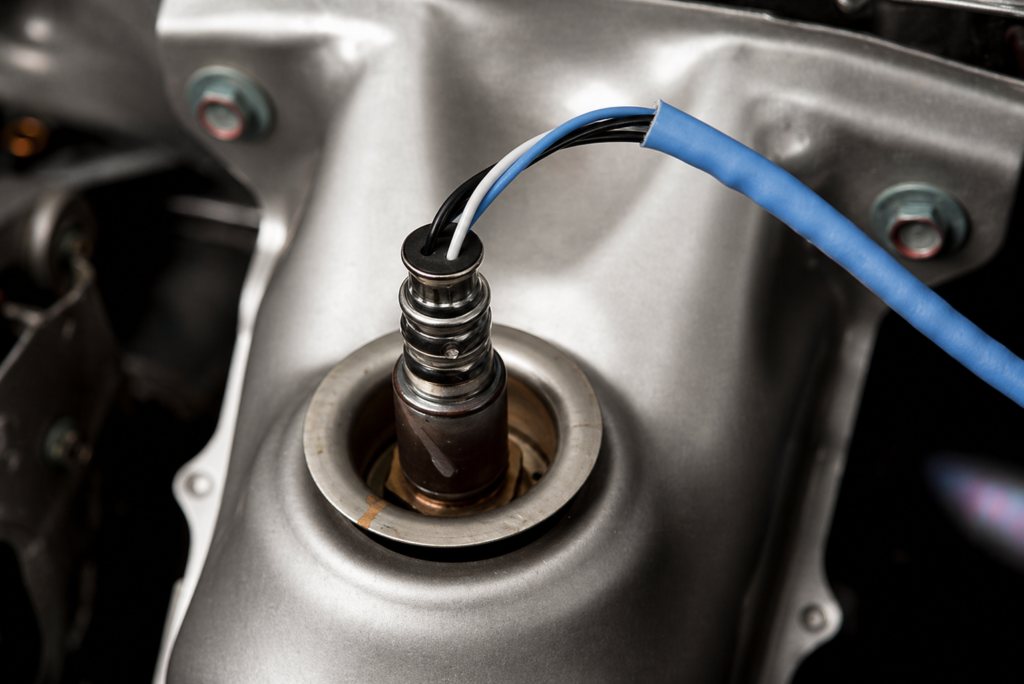
Whether you’re a workshop owner, reseller, or individual buyer, choosing the right oxygen sensor is essential for long-term engine performance and fuel efficiency.
What is an Oxygen (Lambda) Sensor?
An oxygen sensor is a key component installed in the exhaust system of a vehicle, designed to measure the amount of oxygen present in the exhaust gases after combustion. This measurement is essential because it helps determine whether the engine is running on a balanced air-fuel mixture. The term “lambda” refers to the ratio of air to fuel, which ideally should remain as close to perfect as possible for efficient combustion.
Once the sensor collects data from the exhaust stream, it sends signals to the engine control unit (ECU), which acts as the brain of the vehicle. The ECU then processes this information and adjusts the fuel injection accordingly. This constant communication between the sensor and the ECU ensures that the engine maintains the right balance at all times, regardless of driving conditions such as speed, load, or temperature. Without this feedback loop, the engine would not be able to adapt efficiently, leading to increased fuel consumption and higher emissions.
Why is the Oxygen Sensor So Important?
The importance of the oxygen sensor goes far beyond just monitoring emissions. In reality, it is one of the primary components responsible for ensuring that your engine operates efficiently and reliably under all conditions. When the air-fuel mixture is perfectly balanced, combustion occurs more effectively, which translates into better engine performance, smoother acceleration, and improved fuel economy.
On the other hand, even a slight imbalance can cause noticeable issues. A rich mixture, where too much fuel is present, can lead to excessive fuel consumption and carbon buildup inside the engine. A lean mixture, where there is too much air, can cause overheating and reduced power output. The oxygen sensor helps prevent these problems by providing real-time feedback to the ECU, allowing it to make precise adjustments instantly. This continuous process is what keeps your vehicle running at its best without you even noticing it.
How Does a Lambda Sensor Work?
The working mechanism of a lambda sensor is based on detecting differences in oxygen levels between the exhaust gases and the outside air. As exhaust gases pass through the sensor, it generates a voltage signal depending on the oxygen concentration. This signal acts as a direct communication line between the sensor and the ECU.
When the sensor detects a higher level of oxygen in the exhaust, it indicates that the engine is running lean, meaning there is not enough fuel in the mixture. In response, the ECU increases the fuel supply to restore balance. Conversely, if the sensor detects low oxygen levels, it means the mixture is rich, and the ECU reduces the fuel input. This adjustment process happens continuously, often multiple times per second, ensuring that the engine operates efficiently under varying conditions such as acceleration, cruising, or idling.
This constant feedback loop is what allows modern engines to achieve both high performance and low emissions, making the oxygen sensor an indispensable part of the system.
Understanding how an oxygen sensor works can help you make better decisions when replacing faulty components. Using high-quality OEM sensors ensures accurate readings and long-term reliability.
Types of Oxygen Sensors Used in Vehicles
As automotive technology has advanced, different types of oxygen sensors have been developed to meet varying performance requirements. Understanding these types can help you make better decisions when it comes to replacement or upgrades.
Narrowband oxygen sensors are the most commonly used type in standard vehicles. They are designed to detect whether the air-fuel mixture is either rich or lean, but they do not provide detailed information about the exact ratio. While they are reliable and cost-effective, their limited accuracy means they are gradually being replaced in newer vehicles.
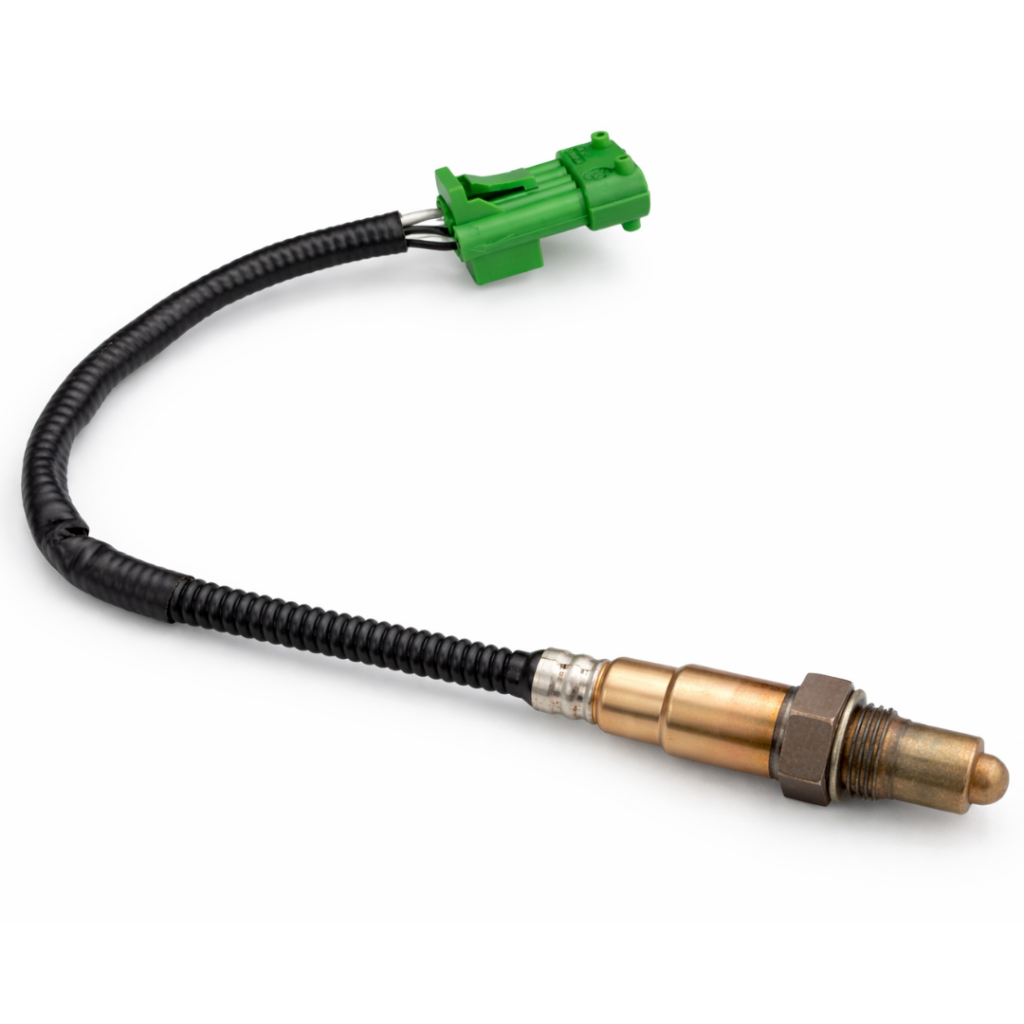
On the other hand, wideband oxygen sensors offer a much higher level of precision. These sensors can measure the exact air-fuel ratio across a wider range, allowing the ECU to make finer adjustments. This results in improved fuel efficiency, better throttle response, and reduced emissions. Because of these advantages, wideband sensors are commonly used in modern vehicles and performance-oriented engines.
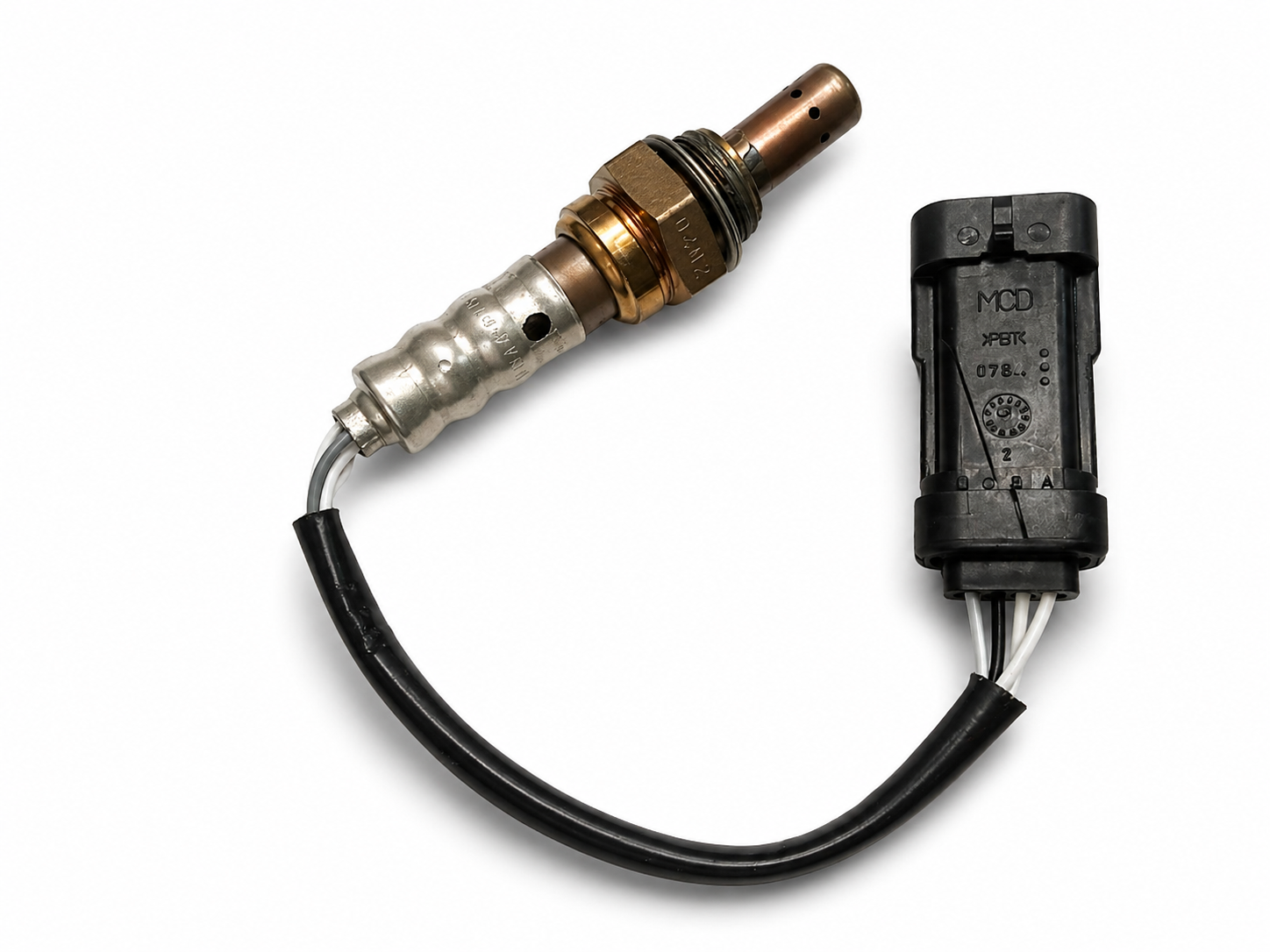
Common Symptoms of a Faulty Oxygen Sensor
A failing oxygen sensor often shows symptoms gradually, which makes it easy for many drivers to overlook the issue until it becomes more serious. One of the earliest and most common signs is the check engine light turning on, which indicates that the ECU has detected abnormal readings from the sensor.
As the condition worsens, you may start noticing a drop in fuel efficiency, meaning you will need to refuel more often than usual. The engine may also begin to feel less responsive, with symptoms such as rough idling, hesitation during acceleration, or even occasional misfires. In some cases, a faulty sensor can cause a strong fuel smell from the exhaust, indicating incomplete combustion.
Ignoring these warning signs can lead to more severe problems over time, including damage to other components such as the catalytic converter. That’s why it’s important to address these issues early and replace the sensor if necessary.
Common Signs of a Failing Oxygen Sensor
A failing oxygen sensor often shows symptoms gradually, which makes it easy for many drivers to overlook the issue until it becomes more serious. One of the earliest and most common signs is the check engine light turning on, which indicates that the ECU has detected abnormal readings from the sensor.
As the condition worsens, you may start noticing a drop in fuel efficiency, meaning you will need to refuel more often than usual. The engine may also begin to feel less responsive, with symptoms such as rough idling, hesitation during acceleration, or even occasional misfires. In some cases, a faulty sensor can cause a strong fuel smell from the exhaust, indicating incomplete combustion.
Ignoring these warning signs can lead to more severe problems over time, including damage to other components such as the catalytic converter. That’s why it’s important to address these issues early and replace the sensor if necessary.
What Happens if You Ignore a Bad Oxygen Sensor?
Neglecting a faulty oxygen sensor may seem harmless at first, especially if the vehicle is still running. However, over time, the impact can become significant and costly. When the ECU receives incorrect data, it cannot maintain the correct air-fuel balance, which leads to inefficient combustion.
This inefficiency can cause unburnt fuel to enter the exhaust system, potentially damaging the catalytic converter—a much more expensive component to replace. Additionally, carbon deposits may start building up inside the engine, affecting its long-term health and performance. Fuel consumption will also increase, adding to your overall running costs.
In short, what starts as a small sensor issue can quickly turn into a much larger problem if left unattended, making timely replacement a smart and cost-effective decision.
Why Choosing a Genuine OEM Oxygen Sensor Matters
When replacing an oxygen sensor, quality matters a lot. Genuine OEM sensors are designed specifically for your vehicle and offer:
- Accurate readings
- Longer lifespan
- Perfect compatibility
- Better engine performance
Cheap aftermarket sensors might seem like a good deal, but they often fail quickly and can affect your engine’s efficiency.
When Should You Replace an Oxygen Sensor?
The lifespan of an oxygen sensor typically ranges between 60,000 and 100,000 kilometers, although this can vary depending on factors such as driving conditions, fuel quality, and engine health. Vehicles that are frequently driven in heavy traffic or harsh conditions may experience faster wear and tear.
It is always advisable to follow the manufacturer’s recommendations and have the sensor inspected during regular maintenance intervals. If any symptoms of failure appear before the expected lifespan, it’s best not to delay replacement. Early intervention not only restores engine performance but also prevents potential damage to other components.
OEM vs Aftermarket Oxygen Sensors
When replacing an oxygen sensor, the choice between OEM and aftermarket parts can significantly affect the outcome. OEM sensors are manufactured to match the exact specifications of your vehicle, ensuring accurate readings and seamless compatibility. They are designed to deliver consistent performance over a longer period, making them a reliable choice.
Aftermarket sensors, while often more affordable, may vary in quality. In some cases, they may not provide the same level of accuracy, which can lead to inconsistent engine performance. Although they might save money initially, they can end up costing more in the long run due to frequent replacements or related issues.
Final Thoughts
The oxygen (lambda) sensor may not be the most visible component in your vehicle, but its role in maintaining engine efficiency, performance, and emissions control cannot be overstated. By understanding how it works and recognizing the early signs of failure, you can take proactive steps to keep your vehicle running smoothly and efficiently.
We are a worldwide wholesaler of genuine OEM auto parts. We supply high-quality oxygen (lambda) sensors for multiple car brands with reliable worldwide shipping.